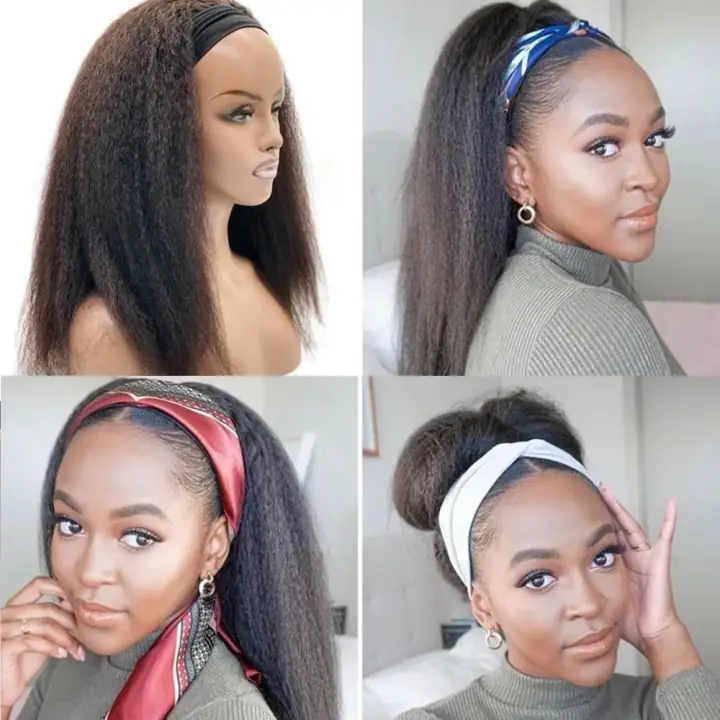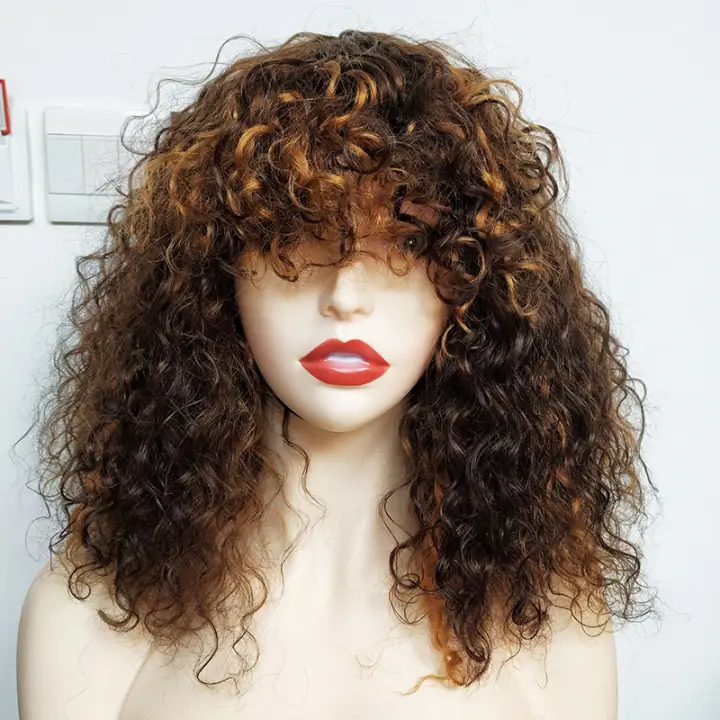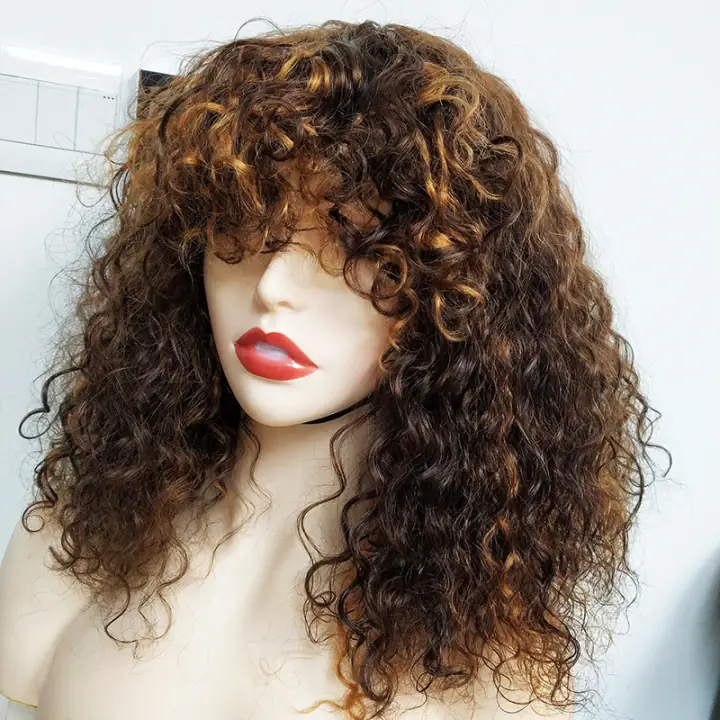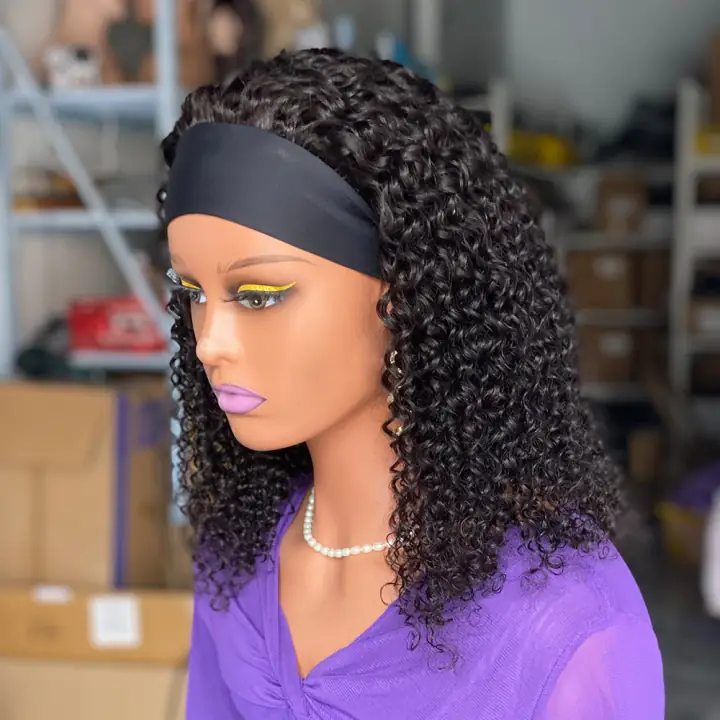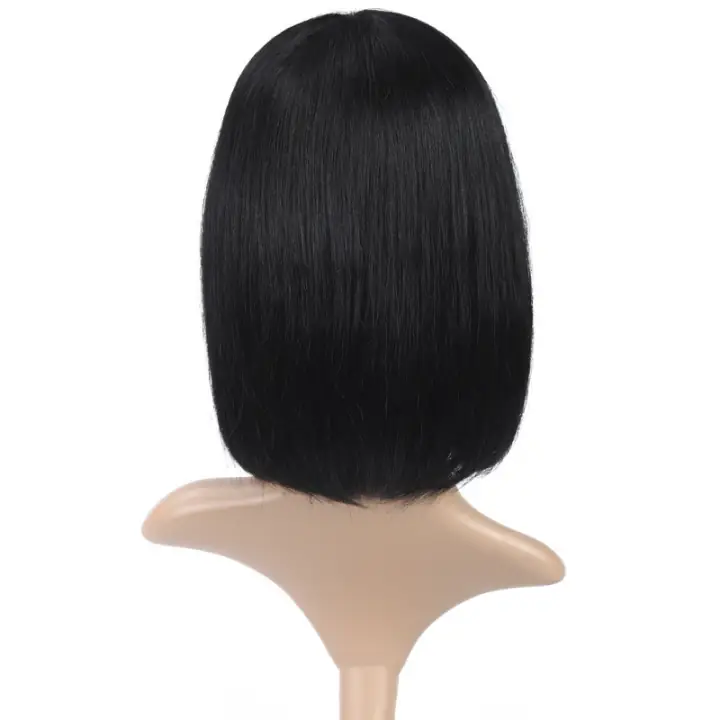
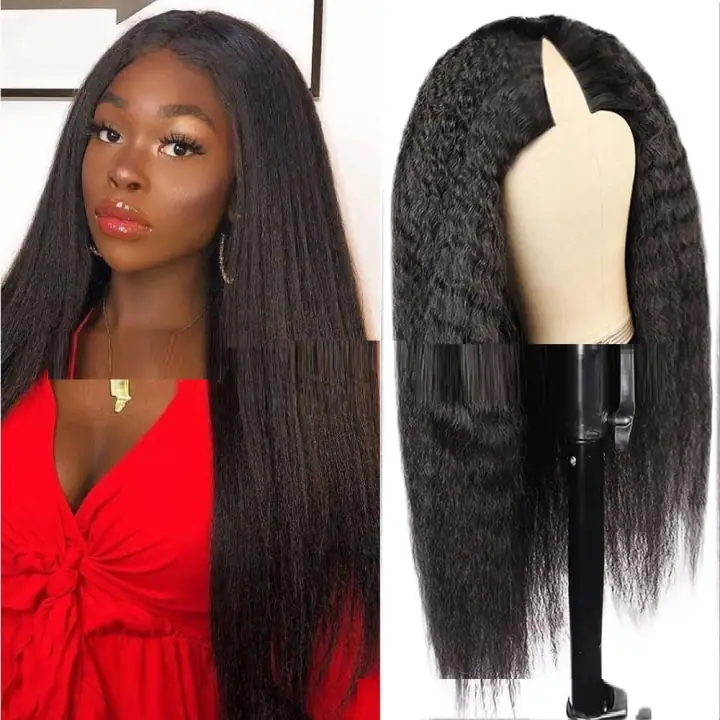
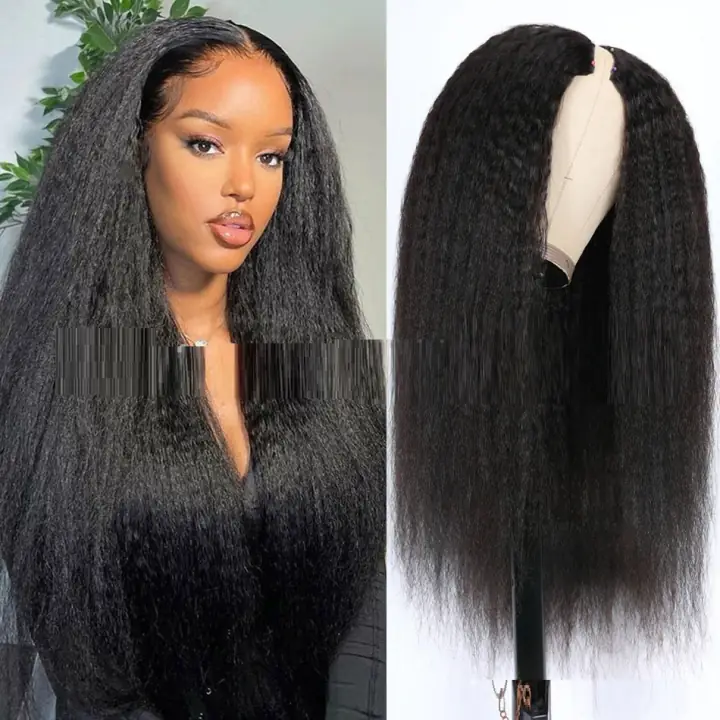
Put On & Go
Kinky Straight V-Part Wig
From £99
Free tracked UK delivery on every order
100% human hair, never synthetic
Glueless styles: pop it on and go
Clear UK returns, written in plain English
Hair loss
Alopecia, traction alopecia, thinning hair, postpartum shedding or treatment: losing hair is hard. Here is how to choose wigs for hair loss that feel comfortable, look like you and are kind to your scalp.
Glueless styles keep adhesive off a sensitive scalp. An adjustable band and soft combs hold without pulling.
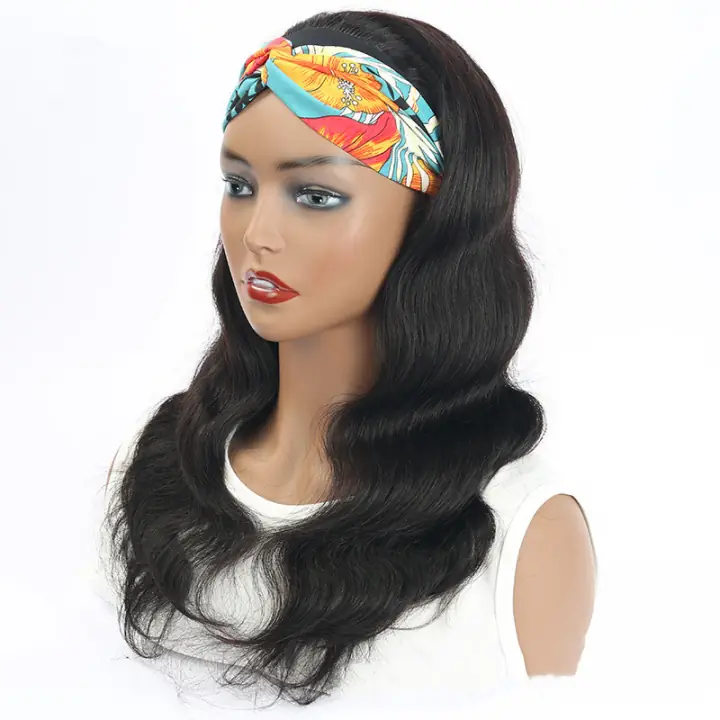
Headband wigs sit behind your hairline, so there is nothing to glue, cut or tug where your hair is thinnest.
A 150% density is cooler and lighter to wear all day. Many people find human hair less itchy than synthetic.
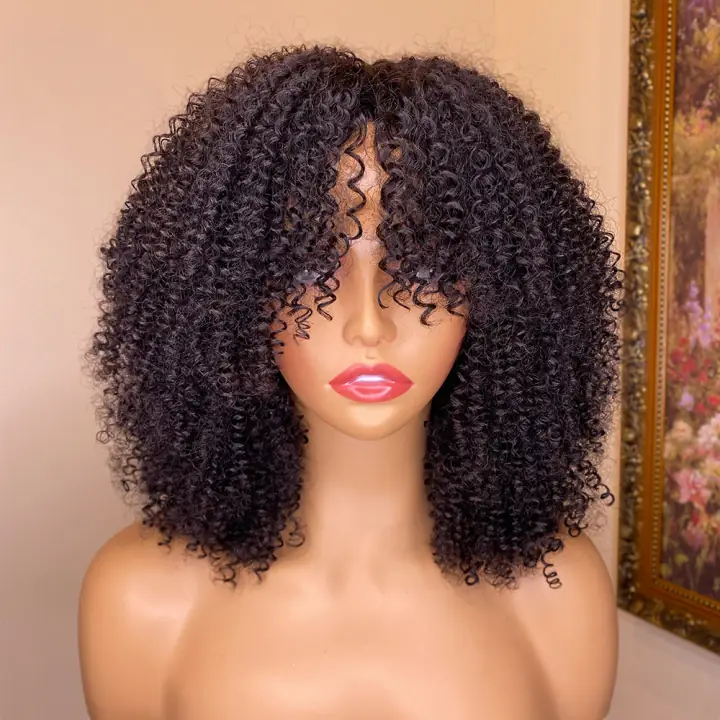
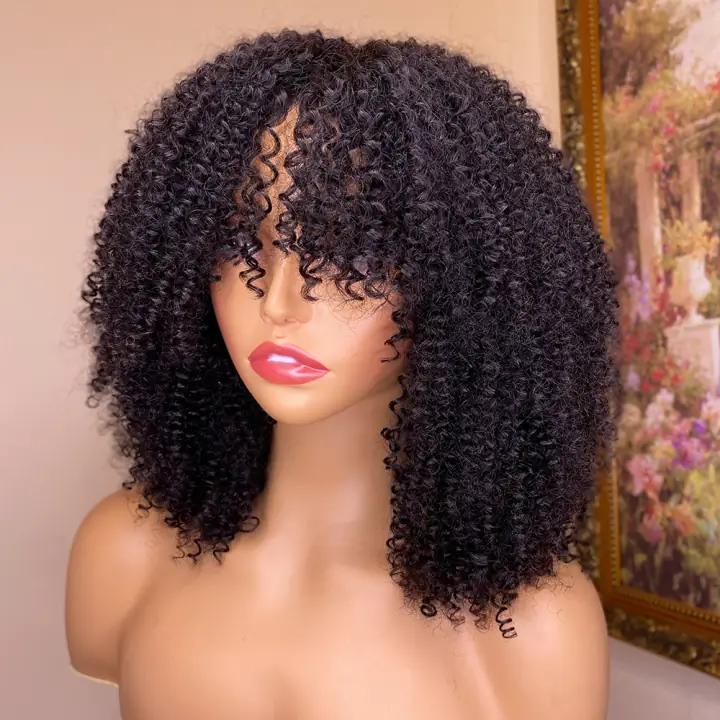
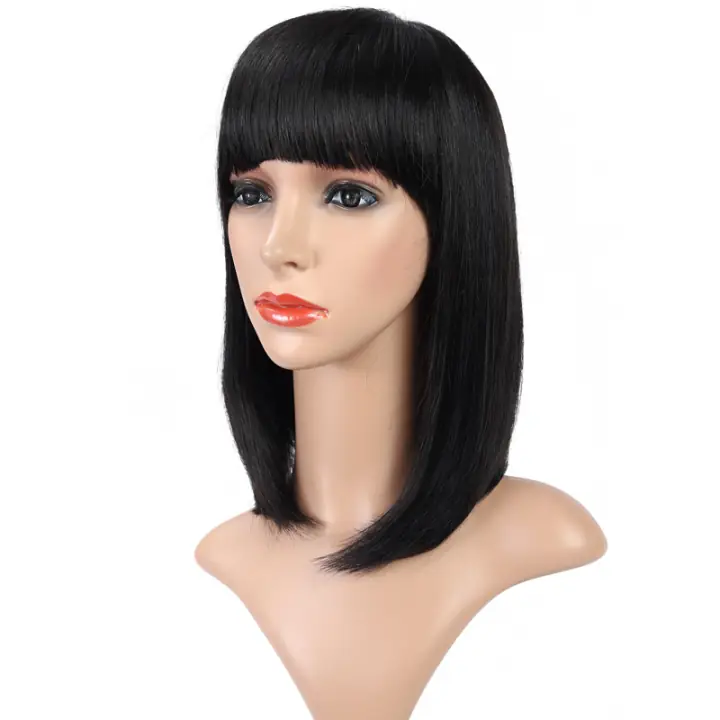
Match the wig to how your hair looked or how you like to wear it, from straight to 4C.
Gentle styles
Glueless and headband wigs, with no glue anywhere near your hairline.
From £99
From £99
From £99
From £99
From £99
Your situation
With alopecia areata or totalis, comfort comes first: a glueless cap with soft lace, an adjustable band instead of glue, and a lighter 150% density. A soft wig grip or liner helps the wig sit securely on a smooth scalp. The charity Alopecia UK offers support and information.
Thinning at the crown or the edges? A headband wig sits behind your hairline with no tension on it, and a glueless wig keeps glue off fragile edges. Match the texture to how you wear your own hair so any leave-out blends.
If your hair loss comes from a medical condition or its treatment, you may be able to get a wig through the NHS. Our NHS wigs guide explains how it works, and our guide to wigs for cancer patients covers choosing a wig during treatment.
Looking after yourself
Take your wig off to sleep, and give your scalp a few wig-free hours when you can. Wrap your own hair in silk or satin at night.
We are not doctors. If you do not know why your hair is thinning, your GP or a dermatologist can help find the cause. The charity Alopecia UK also offers support and information.
Questions
Want help choosing? Email bolt70business@gmail.com. Every message is read by a real person, in confidence.
A glueless or headband wig: nothing is glued to your skin, and an adjustable band spreads the hold evenly. A lighter density, such as 150%, also feels cooler. Many people find human hair less itchy than synthetic fibre.
Many people do, as long as nothing pulls on the hairline. Choose a glueless or headband style, skip glue and tight combs, and give your hairline regular breaks. For advice on your own hair, ask your GP or a dermatologist.
If your hair loss is caused by a medical condition or treatment, you may be able to get a wig through the NHS. Ask your GP or hospital team. Charges and exemptions depend on where you live in the UK, and our NHS wigs guide explains the details.
A well-fitted wig worn gently should not. Problems usually come from glue, tight bands or combs, and wearing a wig day and night. Take it off to sleep and keep your scalp clean and moisturised.
Find your crown
Answer five quick questions about your hair, your look and your time, and we will match you to your crown.
Free tracked UK delivery is included on every order.
Checkout opens when the store goes live. Your bag is saved on this device, so nothing is lost.