
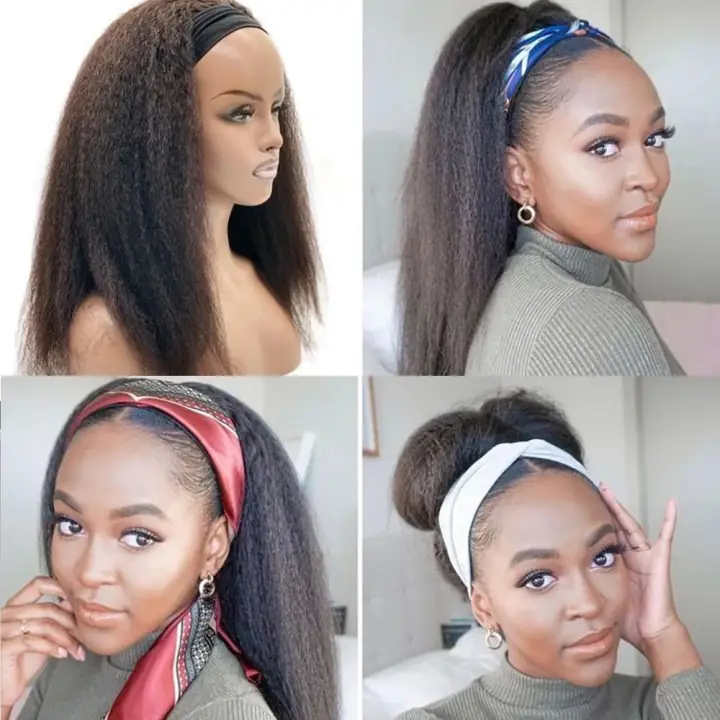
Put On & Go
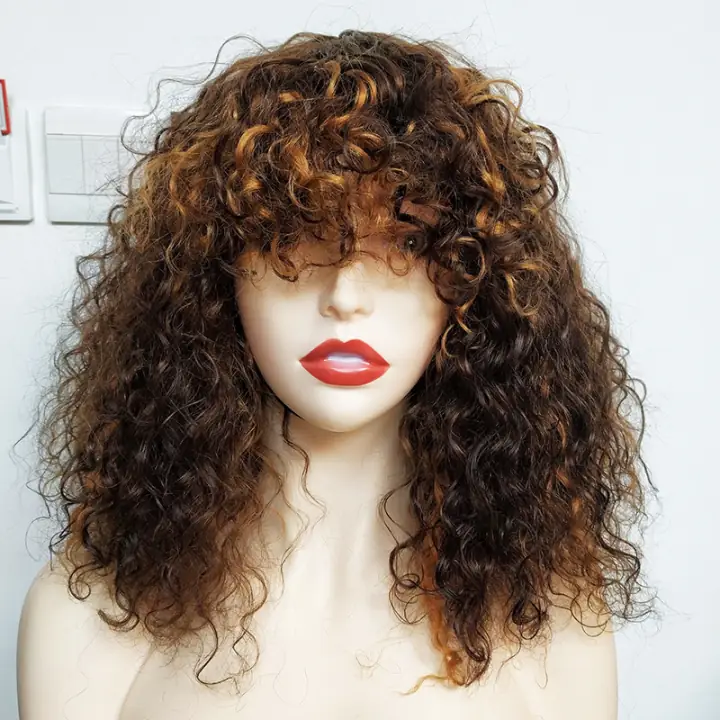
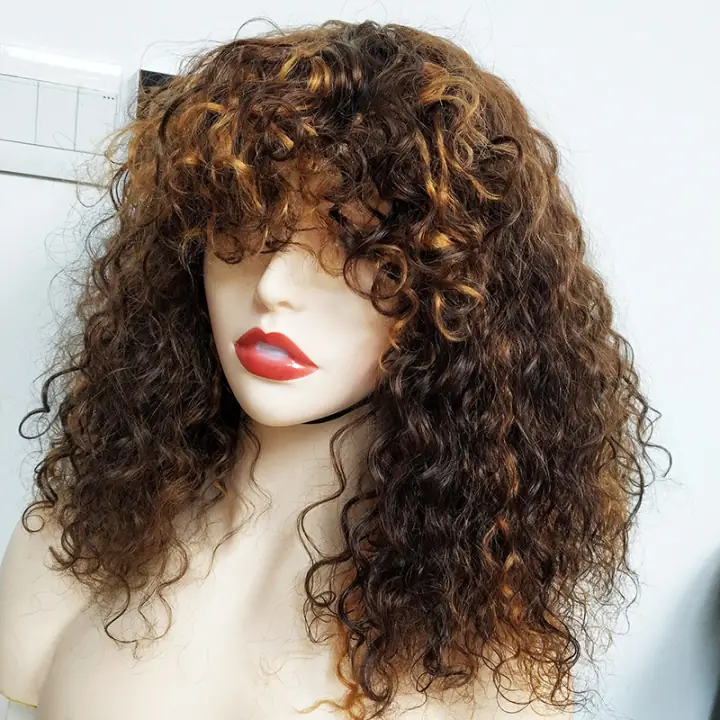
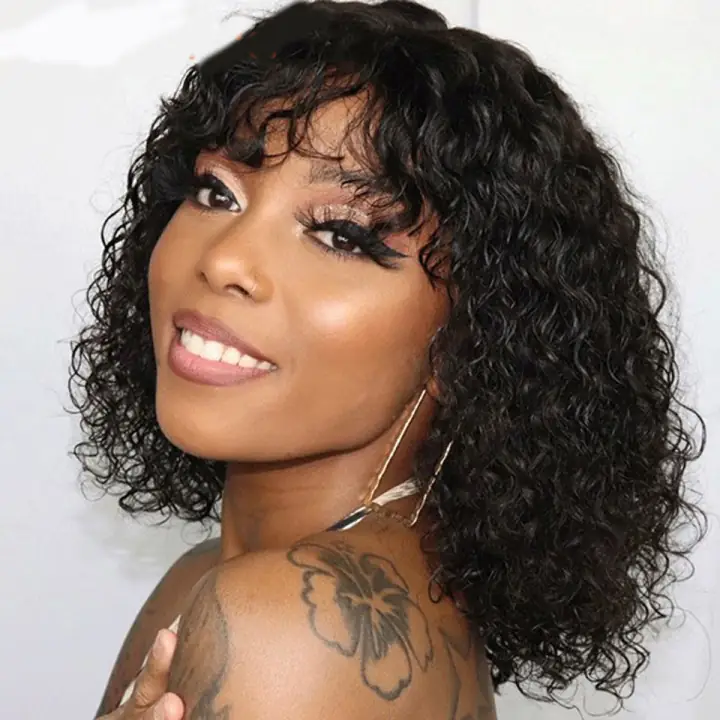
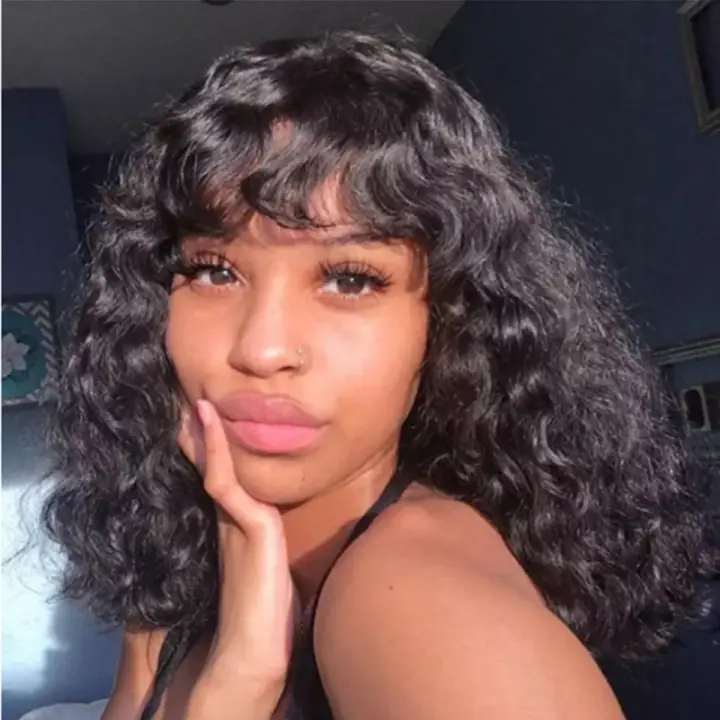
Kinky Straight Headband Wig
From £99
Free tracked UK delivery on every order
100% human hair, never synthetic
Glueless styles: pop it on and go
Clear UK returns, written in plain English
Hair loss and cancer
Wigs for cancer patients should feel gentle on a tender scalp and look like you, whatever your hair type. Here is what to expect, what to ask your care team and how to choose, with links to the NHS and cancer charities behind every fact.
Before you start
Chemotherapy works by killing cells that divide quickly. Hair follicles divide quickly too, which is why some chemotherapy makes hair fall out (Cancer Research UK). But not every treatment causes hair loss. Some chemotherapy drugs cause none at all, and some cause only slight thinning.
Radiotherapy only affects hair where the beam enters and leaves your body (Macmillan), and hormone therapies are more likely to thin hair than to cause hair loss (Cancer Research UK). The NHS lists temporary hair loss as a common side effect of chemotherapy and says to ask your care team which side effects you might get.
If your hair is going to fall out, it usually begins within 2 to 3 weeks of starting chemotherapy (Cancer Research UK). It can start within a few days, but Macmillan says this is rare. Not losing your hair does not mean the treatment is not working.
Crown'd is a wig shop, not a medical provider. Ask your care team whether hair loss is likely and when it might start.
Ask your team
Scalp cooling, often called a cold cap, cools your scalp during chemotherapy so less of the drug reaches your hair follicles. Cancer Research UK says it can sometimes reduce hair loss, but only with certain drugs and not for everyone. It is not usually recommended for blood cancers such as leukaemia and lymphoma.
With Afro or textured hair, Cancer Research UK suggests removing braids, weaves or extensions first so the cap touches your scalp, and says you may need to wear it for longer. Ask your team whether your hospital offers scalp cooling and whether it suits your treatment.
Choosing
A wig is one option, not a must. Some people prefer hats, scarves or nothing at all, and Macmillan says it is important to do what feels right for you.
If you would like a wig, try to choose it before treatment starts. NHS inform says this makes it easier to match your colour and style, lets you get used to it and means it is ready if your hair falls out early. Cancer Research UK adds texture, which matters for curly, coily or kinky hair.
There is no pressure to decide straight away. Take a friend for an honest opinion, and bring photos if you have already lost your hair.
Comfort first
A chemo wig is not a special kind of wig. It is any wig you wear during chemotherapy, chosen for a scalp that may feel tender or sore as your hair falls out (Macmillan). Comfort comes first.
Clips and combs need some of your own hair to grip (Macmillan), so after full hair loss the band does the work. Take your wig off at night and give your scalp some air.
Honest comparison
We only sell human hair wigs, but synthetic is a good choice for many people. Here is how the NHS, Macmillan and Cancer Research UK compare them.
| What matters | Synthetic | Human hair |
|---|---|---|
| Price | Cheaper: usually £50 to several hundred pounds (Macmillan) | Dearer: a few hundred to a few thousand pounds (Macmillan) |
| Weight | Often lighter, which can help you stay cool | Heavier |
| Look | Can look very natural | Looks the most natural |
| Styling | The style is set in, so it is ready to wear | Needs styling, but you can restyle or colour it like your own hair |
| Care | Easy: wash in cold water and leave to dry | More work, and some need a hairdresser |
| How long it lasts | Usually 6 to 9 months (Cancer Research UK) | Usually 1 to 3 years (Cancer Research UK) |
The NHS also notes that synthetic wigs can be itchy and hot. For a few months of treatment, synthetic may be all you need.
Afro and textured hair
Macmillan says Afro hair (type 4 coily) is naturally more fragile and more vulnerable to damage from chemotherapy. It suggests removing weaves, extensions and braids before treatment, as they put extra strain on the hair follicles (Macmillan).
Match the wig to how you usually wear your hair, not just how it grows. If you wear it pressed or blown out, kinky straight will look familiar. If you wear it natural, look at kinky curly for 3C to 4A curls or afro kinky for 4B to 4C coils. Our texture guide shows every match.
Macmillan says most NHS wig suppliers should have styles for people from any ethnic group, but you may need a specialist supplier or to look online, as Cancer Research UK also says. Ask about textured styles before your fitting. Cancer Hair Care and Cancer Black Care offer specialist advice and support.
Paying for a wig
Ask your specialist nurse first, as the process differs between hospitals (Macmillan).
NHS wigs are free in Scotland and Northern Ireland, and free within a set budget in Wales (Cancer Research UK). In England you may pay unless you qualify for help, and the medical exemption certificate that gives people with cancer free prescriptions does not cover wig charges (regulation 10). Some hospitals fund a standard wig within a set budget, as at The Royal Marsden, so ask.
Our NHS wigs guide explains the 2026 charges, who gets a wig free and how the prescription works.
Looking after yourself
Macmillan suggests these steps during and after treatment:
Most people's hair grows back. Cancer Research UK says it should return within 3 to 6 months after treatment ends. It may be softer, a different colour, or curlier or straighter than before (Cancer Research UK).
By 12 months after treatment you should have an idea of how thick your hair will be, though Afro hair grows more slowly, so it may take longer (Macmillan). Wait until new hair is about 2.5cm (1in) long before colour or chemicals, longer for a relaxer, and do a strand and skin test first (Macmillan).
Wearing a wig will not affect regrowth, and when you stop is up to you (Macmillan). Rarely, hair does not grow back, so talk to your care team if you are worried. Meanwhile, here is how to wash a wig.
You are not alone
For some people, losing their hair is one of the hardest parts of treatment. For others it is not as bad as they expected. Both are normal (Macmillan).
If your hair loss has another cause, our guide to wigs for hair loss covers alopecia, thinning and more.
Gentle styles
From £99
From £99
Questions
Anything else? Email bolt70business@gmail.com and a real person will help.
Sometimes. NHS wigs are free in Scotland and Northern Ireland and within a set budget in Wales, while in England some people pay a charge. The Little Princess Trust gives free real hair wigs to people up to 24 who have lost their hair through cancer treatment.
Before treatment starts, if you can. It is easier to match your colour, style and texture, and hair loss usually begins within 2 to 3 weeks of starting chemotherapy.
Neither is better for everyone. Synthetic is cheaper, often lighter and ready to wear, while human hair looks the most natural and lasts longer but costs more and needs styling.
Many people do. Use a soft liner, skip glue, choose an adjustable band, take the wig off at night and tell your care team about any rash.
Most people's hair grows back within 3 to 6 months of finishing treatment. It may be softer, curlier, straighter or a different colour, and Afro hair grows more slowly.
No. Macmillan says wearing a wig will not affect your hair growth, so stop whenever you feel ready.
Find your crown
Answer five quick questions about your hair, your look and your time, and we will match you to your crown.
Free tracked UK delivery is included on every order.
Checkout opens when the store goes live. Your bag is saved on this device, so nothing is lost.