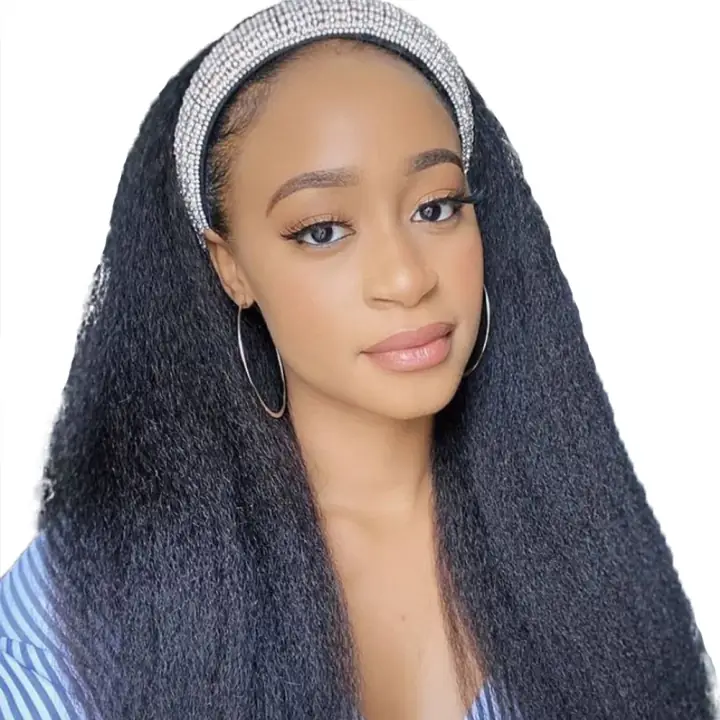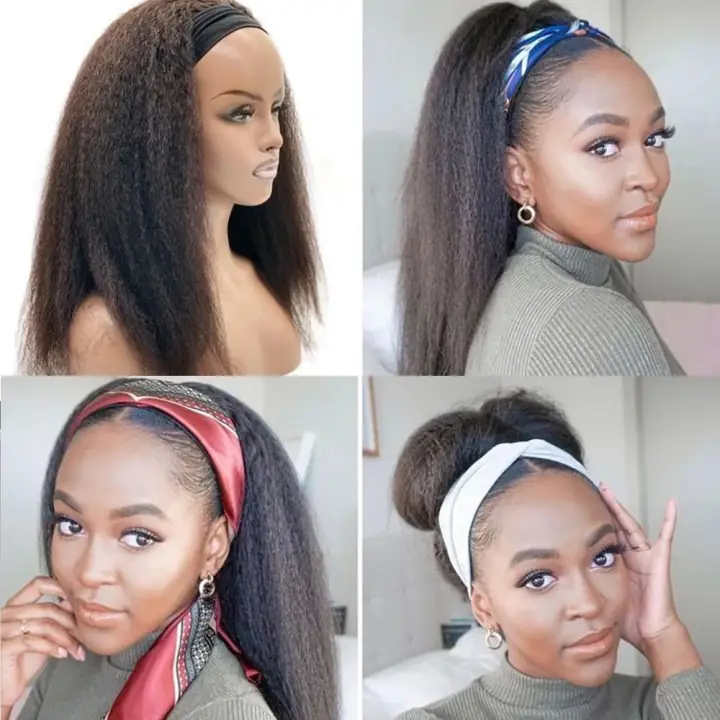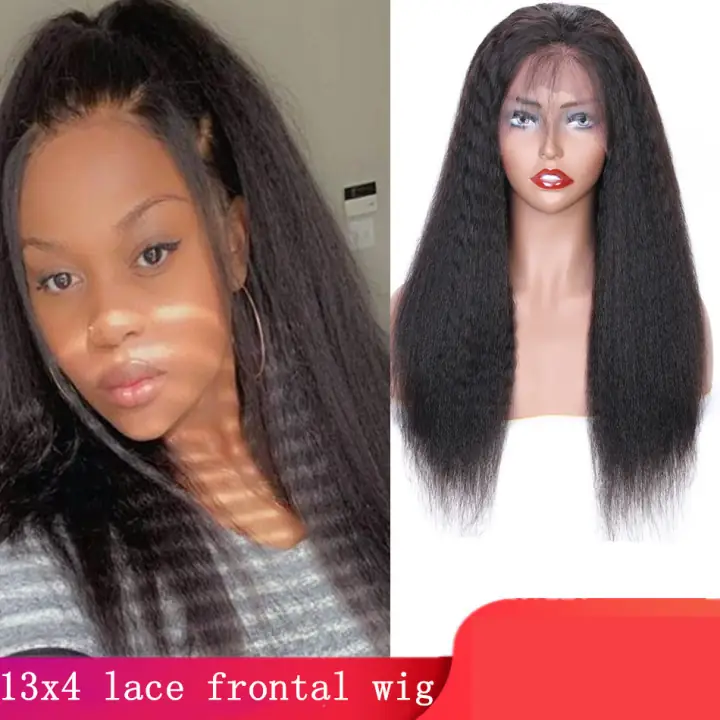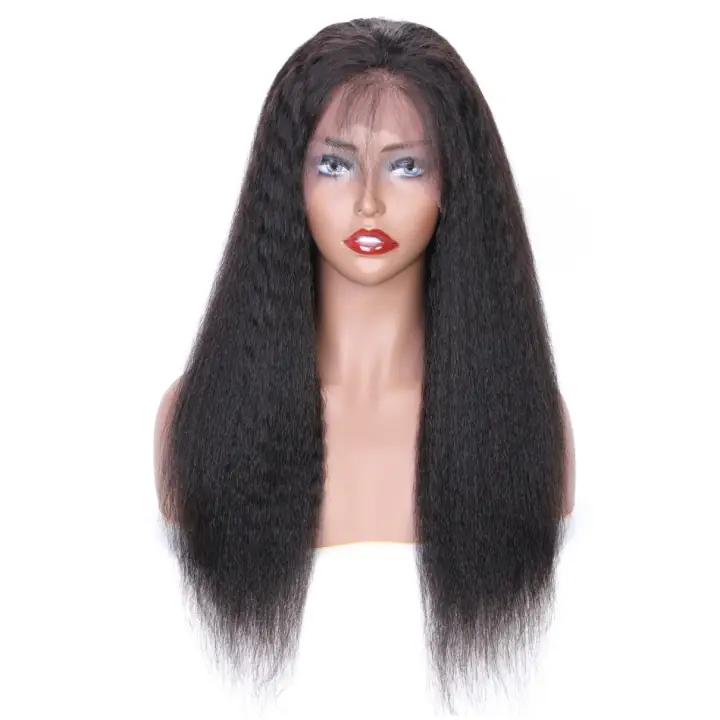
Put On & Go
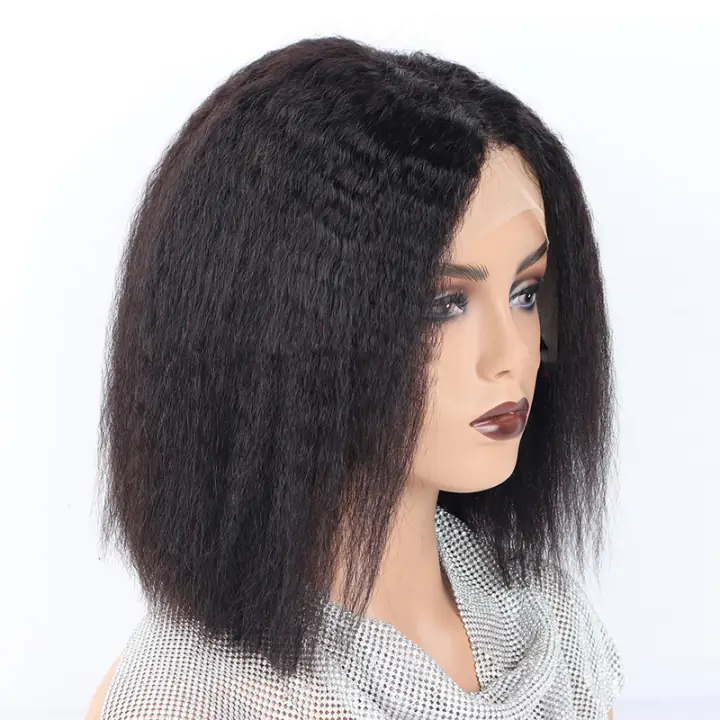
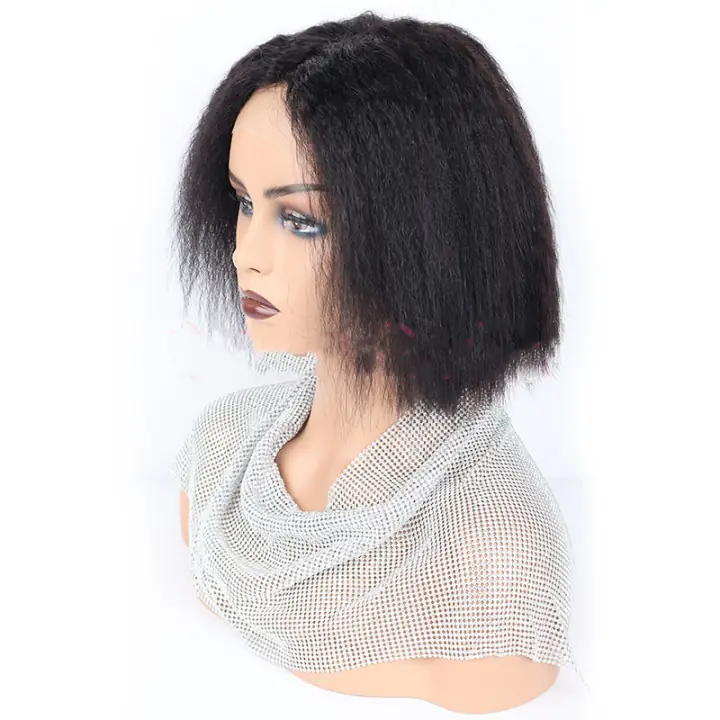
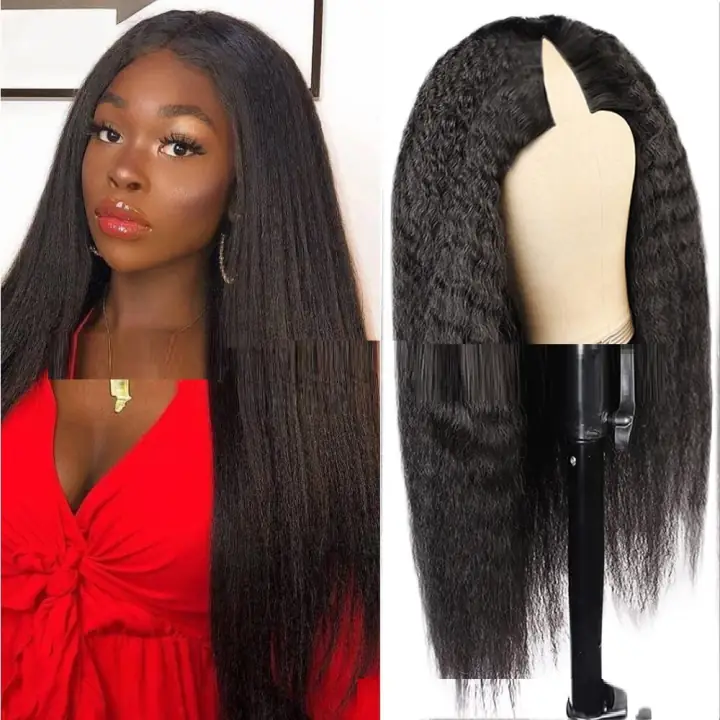
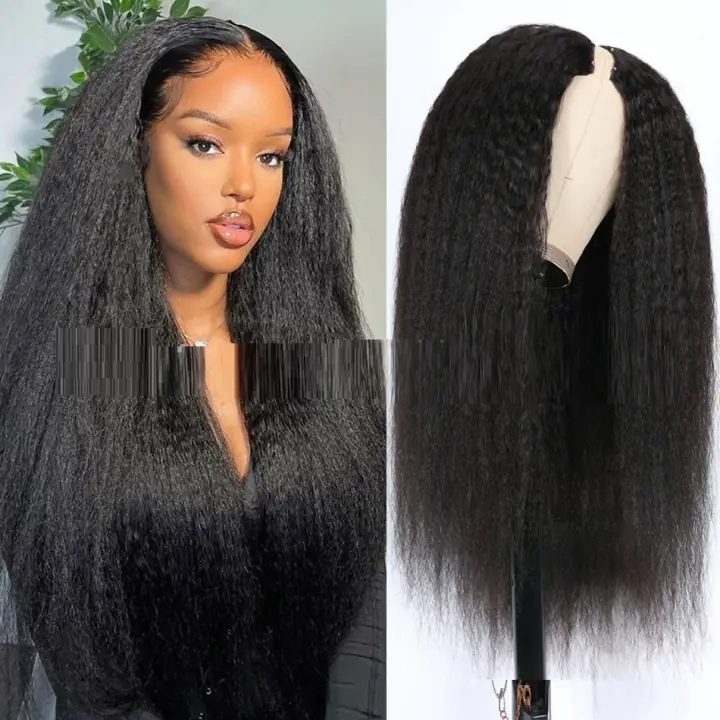
Kinky Straight V-Part Wig
From £99
Free tracked UK delivery on every order
100% human hair, never synthetic
Glueless styles: pop it on and go
Clear UK returns, written in plain English
Hair guide
4B hair bends in sharp, Z-shaped angles rather than round curls, with a soft, cottony feel and serious volume. Here are ten hairstyles with how-tos, a simple routine for moisture, wash day and deep conditioning, and an honest look at texturisers.
The basics
4B hair is a Type 4 texture. Instead of round coils, the strands bend in sharp, Z-shaped angles, so the pattern looks crimped and less defined than 4A. It is fluffy and full, it shrinks a lot, and strands can be fine or coarse.
The chart was popularised by stylist Andre Walker in the 1990s, and in his original version Type 4 ended at 4B: a visible curl pattern made you 4A, and no visible pattern made you 4B. The labels describe curl pattern only, not health or beauty. Every texture is beautiful, and most heads have a mix.
Next to its neighbours, 4A has springy S-shaped coils you can see clearly, and 4C has the tightest coils and the most shrinkage. For the full side-by-side, see our 4A, 4B and 4C hair chart.
Styling
4B hair holds a shape brilliantly. Start with clean, moisturised hair, work in sections and let each style dry fully:
On damp, moisturised hair, twist two strands around each other to the ends with a little cream. Once dry, unravel with oiled fingertips and fluff the roots.
Plait instead of twisting for a more stretched, crimped finish. Chunky plaits give big waves, smaller ones a tighter texture.
Twist a section, wind it into a small knot and tuck the end under. Wear the knots, or take them down when dry for a springy knot-out.
On soaking-wet hair, smooth leave-in and then gel through each section, and leave it alone while it dries. Shrinkage is part of the look.
Gather your hair into a soft scrunchie, never a tight elastic. Fluff it out and keep your hairline relaxed, not dragged back.
Twist small sections from root to tip and seal the ends with oil. Low manipulation, easy to moisturise, and tomorrow's twist-out.
Like cornrows, but with two strands twisted flat to the scalp. Unravel them later for a wavy flat-twist-out.
Ask for neat, loose rows, and change direction each time so the same areas are not always under strain. A flat base for a wig, too.
Choose an experienced braider and light extensions, because long, heavy braids and beads pull on your roots. The British Association of Dermatologists advises taking braids out within 6 weeks.
For an occasional stretched look, use a heat protectant and the lowest heat that works. If you press, the American Academy of Dermatology suggests a ceramic comb or iron no more than once a week.
Want a fuller puff or twist-out? Afro kinky clip-ins blend with natural 4B texture and come out at night.
Keep every style comfortable. Tight ponytails, buns and braids can cause traction alopecia, so leave your edges out where you can and never put up with a sore scalp.
Daily care
4B hair dries out easily. The British Association of Dermatologists explains that your scalp's natural oil cannot travel easily along tightly curled hair, and dry hair breaks more easily. Layer moisture on damp hair:
Refresh every few days with a mist of water or leave-in, then reseal. Coated but still dry? Use less oil and more water-based product: oil slows moisture loss, but it does not hydrate.
At night, wrap your hair in a satin or silk bonnet or scarf, or sleep on a satin or silk pillowcase, to cut friction.
Wash day
The British Association of Dermatologists suggests washing every 1 to 3 weeks, or whenever you have build-up or an oily scalp. For 4B hair:
Split your hair into chunky twists or plaits. Very dry? Coat the lengths in oil or conditioner first.
Massage a gentle shampoo into your scalp with your fingertips and rinse without undoing the sections.
Use plenty of rinse-out conditioner, then detangle each section with your fingers and a wide-tooth comb, ends first.
On most wash days, follow with a deep conditioner (see below).
Apply your leave-in to damp hair and seal with oil or cream, section by section.
Blot with a microfibre towel or cotton T-shirt, then dry in chunky twists or plaits to stretch the hair and cut down on knots.
Skip fine-tooth combs: a wide-tooth comb, or a soft brush with widely spaced, coated bristles, is far kinder.
Treatments
A deep conditioner is a richer treatment you leave on longer than your everyday one. It softens 4B coils and adds slip. Aim for every wash day, or every other one if your hair stays soft. Choose by feel:
Squeeze out excess water and work the conditioner through each section, ends first.
Put on a plastic cap, with a warm towel on top if you like, and leave it for the time on the label.
Rinse with lukewarm water, then apply your leave-in and seal.
Hot oil treatments help too: the American Academy of Dermatology suggests one twice a month for extra moisture and elasticity.
Chemical treatments
A texturiser (spelt texturizer in the US) is a mild chemical relaxer, usually left on for less time, to loosen your curl pattern rather than straighten it. Like any relaxer, it breaks and rearranges bonds inside the hair, and the change is permanent.
People choose it for easier detangling, quicker styling and less shrinkage. Weigh up the trade-offs first:
Still keen? See a stylist experienced with relaxers on Afro hair and ask for a strand test on a hidden section first. They should protect your hairline, ears and partings with a barrier such as petroleum jelly, and never leave it on longer than directed.
Curious about a looser texture? Try a kinky curly wig first: no chemicals, no commitment.
Sensitive scalp, a scalp condition or any hair loss? Talk to your GP or a dermatologist before any chemical treatment.
Wigs
Wigs are not the answer to everything, but they can give 4B hair a break from daily styling and heat. Worn over loose cornrows or twists that you keep clean and moisturised, a wig can be a protective style, says the British Association of Dermatologists.
Leaving some hair out? Match the wig to how you wear your leave-out, not how it grows:
That choice matters, because heat-styling leave-out to match a wig can cause long-term damage if you overdo it. A V-part wig leaves a small V of your own hair at the top, so match it with care. Prefer to leave nothing out? A headband wig sits behind your hairline with no lace or glue, giving your edges a rest. Keep the band comfortable, not tight.
Moisturise your leave-out, skip daily heat and wrap it at night. Take your wig off before bed, and give your own hair regular breaks.
Shop the texture
From £99
From £99
From £229
From £99
Questions
Anything else? Email bolt70business@gmail.com and a real person will help.
Tightly coiled hair that bends in sharp, Z-shaped angles instead of round curls. It looks fluffy and full, feels cottony and shrinks a lot as it dries.
Twists, flat twists, cornrows, braids and wigs over loose cornrows all tuck your ends away. Keep them comfortable, never tight, and take breaks between styles.
Every wash day, or every other one if your hair stays soft. Use a moisturising mask most of the time and a protein treatment now and then.
Not automatically, but it is permanent, unpredictable on 4B hair and leaves treated hair more fragile. If you go ahead, see an experienced professional and ask for a strand test first.
Afro kinky blends with natural 4B hair, and kinky straight with 4B hair that has been blown out or pressed. Match the wig to how you wear your leave-out.
Find your crown
Answer five quick questions about your hair, your look and your time, and we will match you to your crown.
Free tracked UK delivery is included on every order.
Checkout opens when the store goes live. Your bag is saved on this device, so nothing is lost.